
Allocation
Risk Parity: The Mechanics and the Criticisms
Risk parity equalizes each asset class's contribution to portfolio risk instead of its capital share — a structure whose leverage draws the sharpest published…
Allocation covers the decisions made before any security is chosen: how much sits in each asset class, how far weights may drift before correction, and what rebalancing costs in taxes and spreads. Suited to investors who accept that structure explains more of a result than any individual pick.
The structural layer of a portfolio: setting target weights, choosing rebalancing bands, correcting drift, and what each move costs in tax and spread.
Risk parity equalizes each asset class's contribution to portfolio risk instead of its capital share — a structure whose leverage draws the sharpest published…
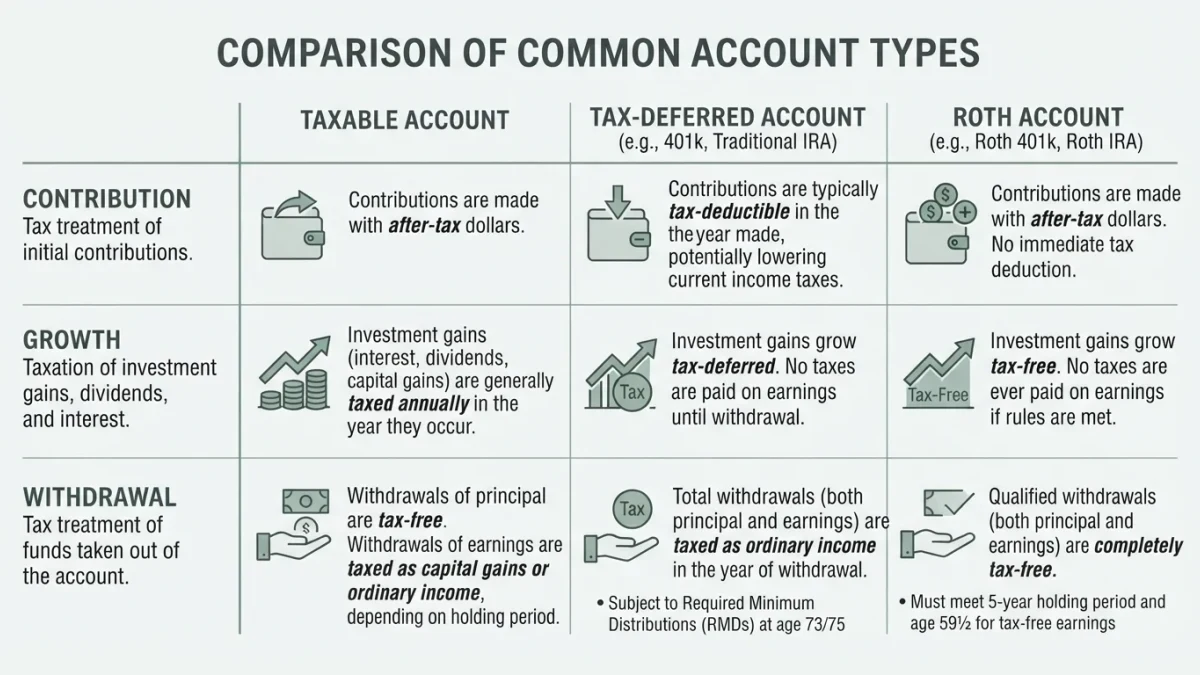
Asset location places each holding in the account type where its tax treatment costs least — a framework with documented gains, stated assumptions, and known…

Home bias is the documented gap between the domestic share of investor portfolios and those markets' share of world capitalization, with explanations and costs…

The 60/40 portfolio is balanced investing's reference mix, anchored by a 1986 pension study, shaken by 2022, and defended and criticized in roughly equal…

Bond ladders return principal on a fixed schedule while bond funds roll maturities indefinitely — two structures with documented tradeoffs in income, duration,…