
Allocation
Strategic vs. Tactical Asset Allocation: How They Differ
Two documented approaches to dividing a portfolio among asset classes rest on different assumptions about markets, time horizon, and how much active management…
Allocation covers the decisions made before any security is chosen: how much sits in each asset class, how far weights may drift before correction, and what rebalancing costs in taxes and spreads. Suited to investors who accept that structure explains more of a result than any individual pick.
The structural layer of a portfolio: setting target weights, choosing rebalancing bands, correcting drift, and what each move costs in tax and spread.
Two documented approaches to dividing a portfolio among asset classes rest on different assumptions about markets, time horizon, and how much active management…

A glide path schedules the shift from growth assets to income assets over time — the core of target-date design and the center of its documented debates.
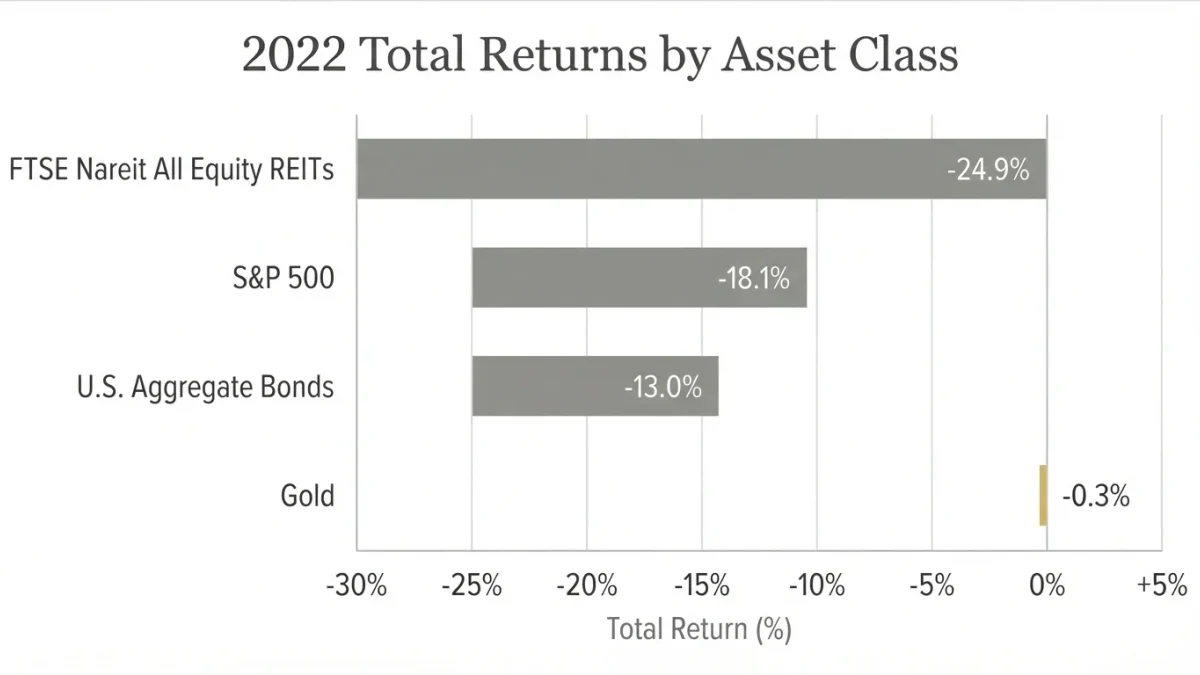
Gold and REITs are the two real assets most cited in allocation frameworks — one pays no cash flow, the other is required to pay most of its income out.

Correlation, concentration, and effective-number metrics turn diversification from a slogan into a measurable portfolio property — each with documented limits.

An emergency fund is the liquid layer held outside the risk portfolio so unplanned spending never forces asset sales — with sizing frameworks documented and…