
Crypto
How the Bitcoin Halving Works and What It Changes
The Bitcoin halving is a protocol rule that cuts the block subsidy in half roughly every four years, and in April 2024 it reduced new issuance from 6.25 to…
Crypto treats digital assets as a portfolio decision rather than a separate universe. Coverage measures correlation with equities and rates, sets volatility budgets, weighs custody and counterparty exposure, and considers the argument for a zero weight. Aimed at investors deciding what percentage, if any, belongs beside existing holdings.
Digital assets sized as a portfolio position: correlation history, volatility budget, custody exposure, and the honest case for holding none of it.
The Bitcoin halving is a protocol rule that cuts the block subsidy in half roughly every four years, and in April 2024 it reduced new issuance from 6.25 to…

A look at how spreading crypto purchases across fixed intervals works, what historical data shows about the trade-off against lump-sum investing, and why it…
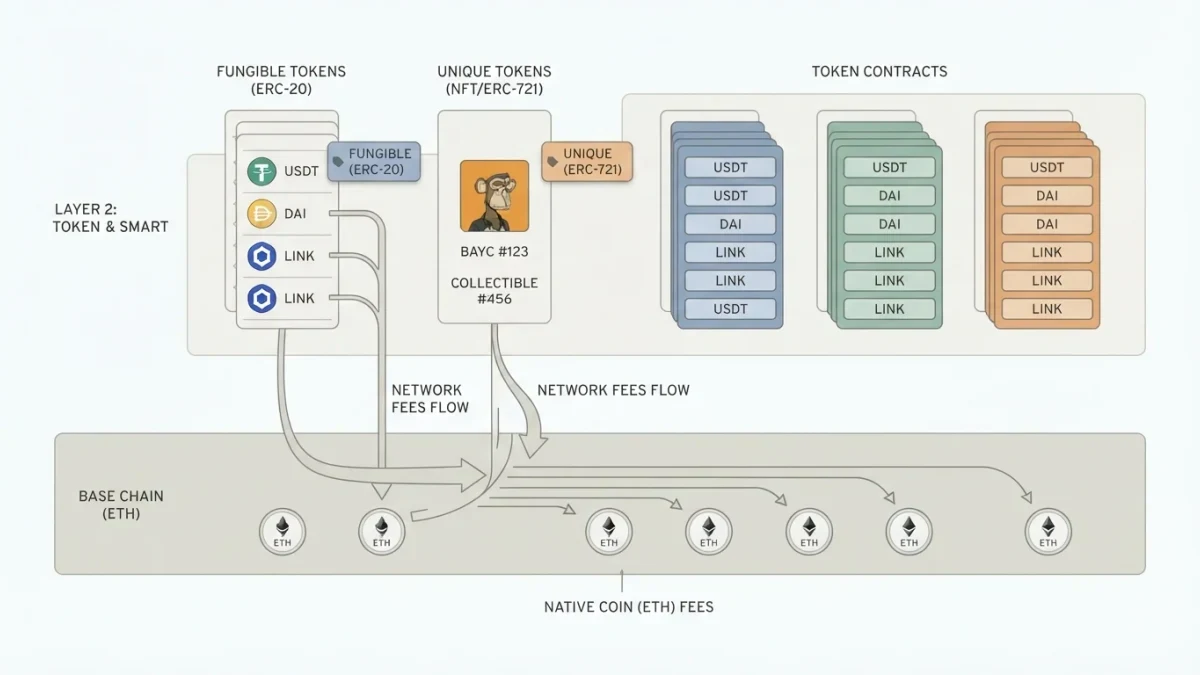
Coins are native assets that pay their blockchain's transaction fees, while tokens are issued on existing chains under standards such as ERC-20, and the…

Bitcoin dominance is bitcoin's share of total crypto market value, a ratio that has swung between roughly 33 and 90 percent and that describes composition, not…

Bitcoin's documented peak-to-trough declines have run from 77 to 93 percent across four major cycles, a record any volatility assessment has to start from.